




03. Why Choose CA Swati Gupta?
IFRS, Ind AS and US GAAP Training
01
IFRS has a reputation for being heavy, and much of it comes from the way it is usually taught. Here, each concept is broken down into plain language first. You understand the idea before you meet the technical wording, so the standard stops feeling like a wall of text and starts making sense.
02
Knowing a rule and applying it are different skills. Every topic is tied to practical, real-world reporting, so you see how a standard shows up in actual financial statements. That connection is what helps you answer confidently, whether the question comes from an employer or an exam paper.
03
If you are preparing for DipIFR, you need to study the way the exam tests. The sessions focus on what examiners look for, including how to structure answers and where marks are won or lost. You spend your time on what counts instead of guessing.
04
A big syllabus feels easier when it comes with a plan. The 90-day success roadmap gives you a clear structure to follow, so you always know what to study next and how far along you are. It is built to help you approach the exam with confidence instead of last-minute panic.
05
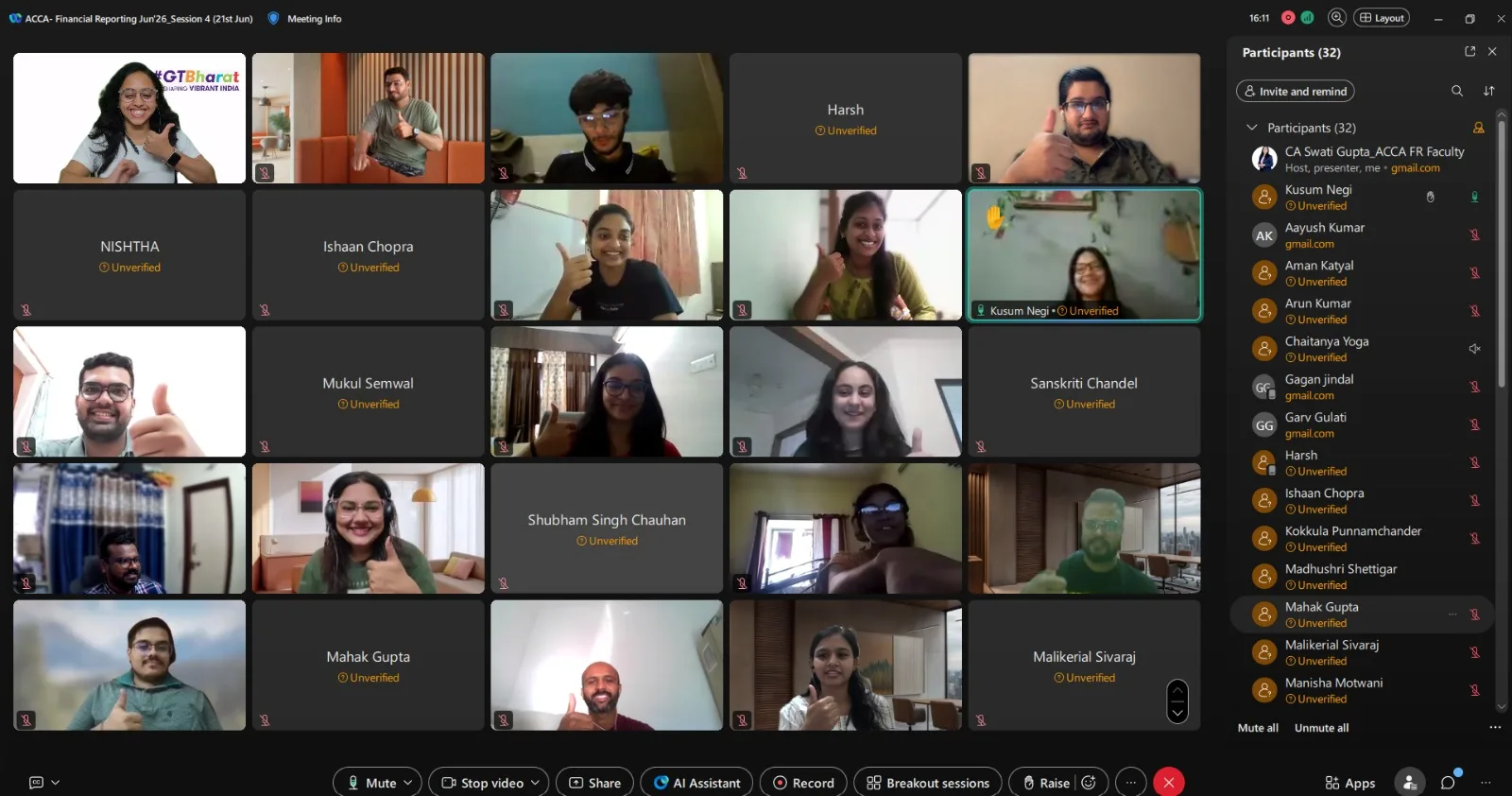
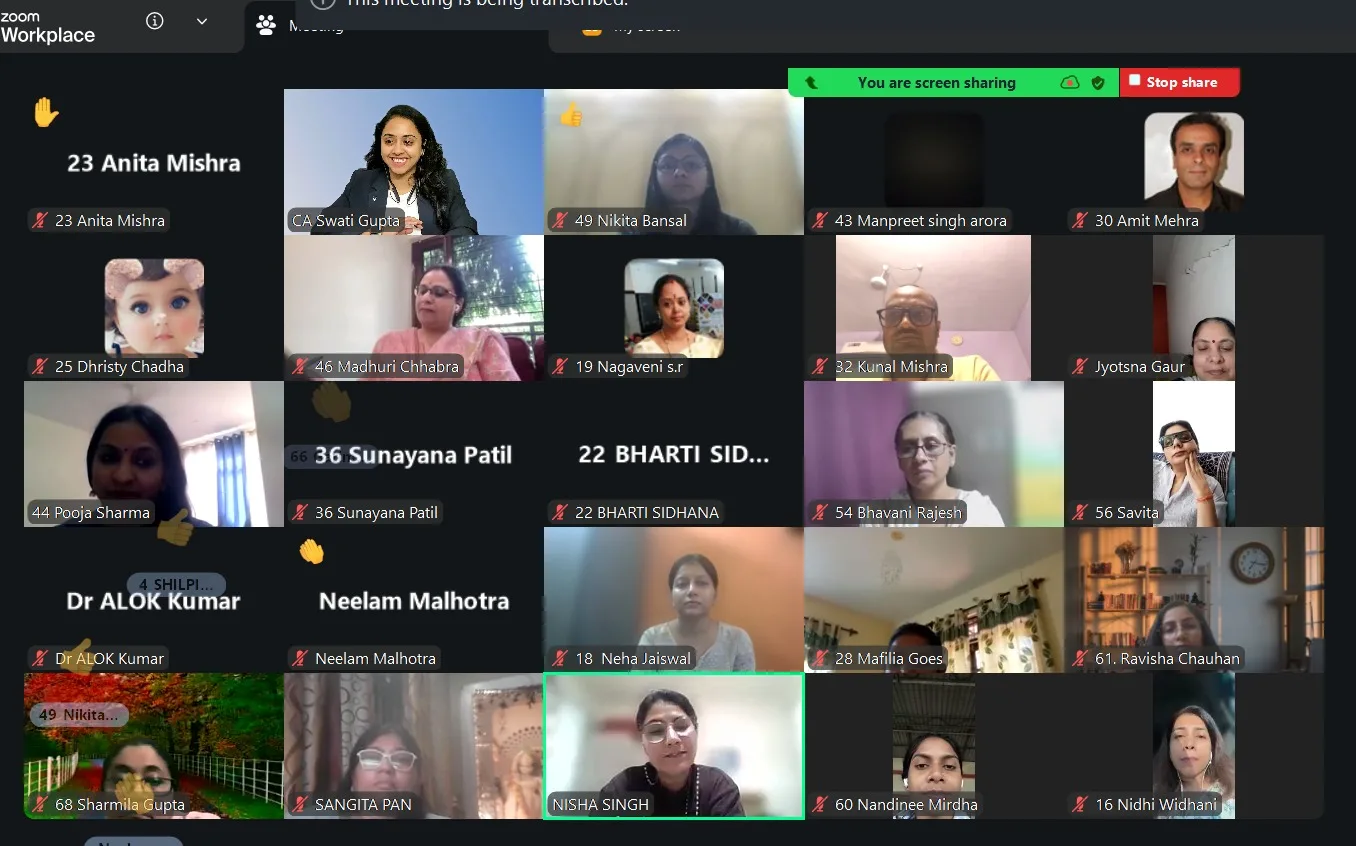
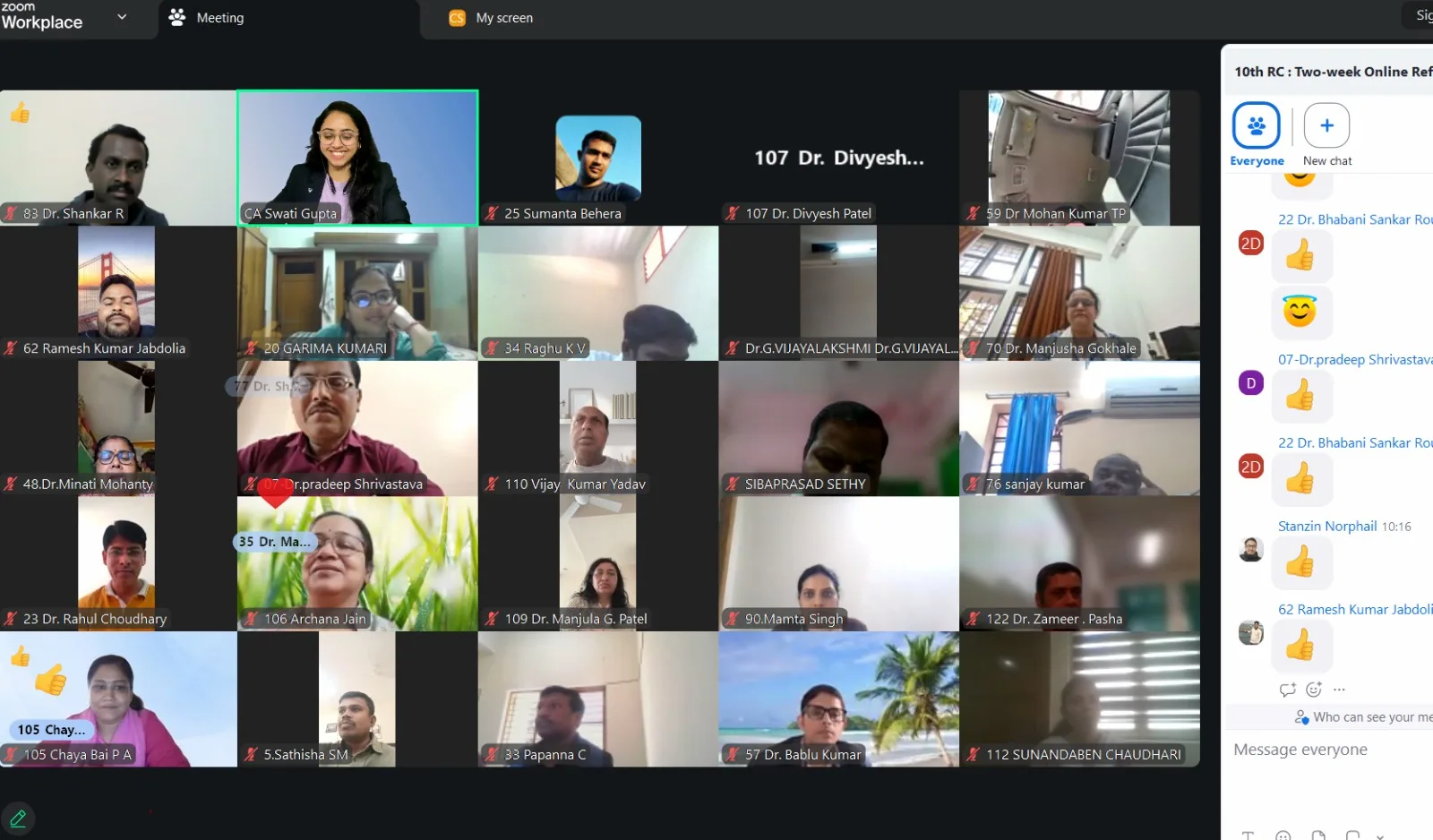
Doubts left unanswered pile up and slow everything down. In every live class you can ask your questions and get them cleared on the spot. This keeps you moving forward and makes sure small confusions never grow into big gaps.
06
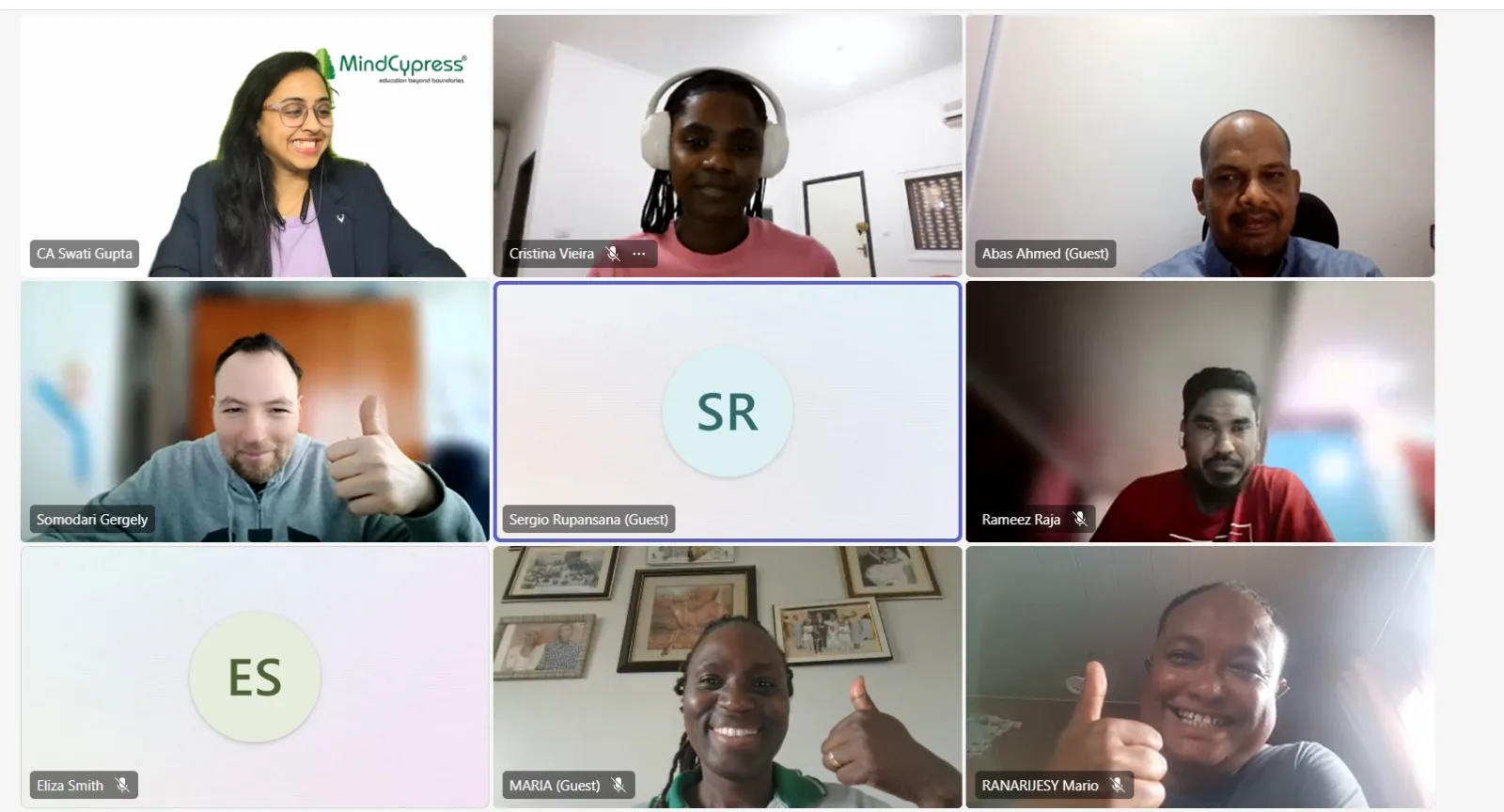
People learn best in the language they think in. That is why English and Hindi batches run separately. You choose the one that suits you and follow every explanation comfortably, without translating in your head.