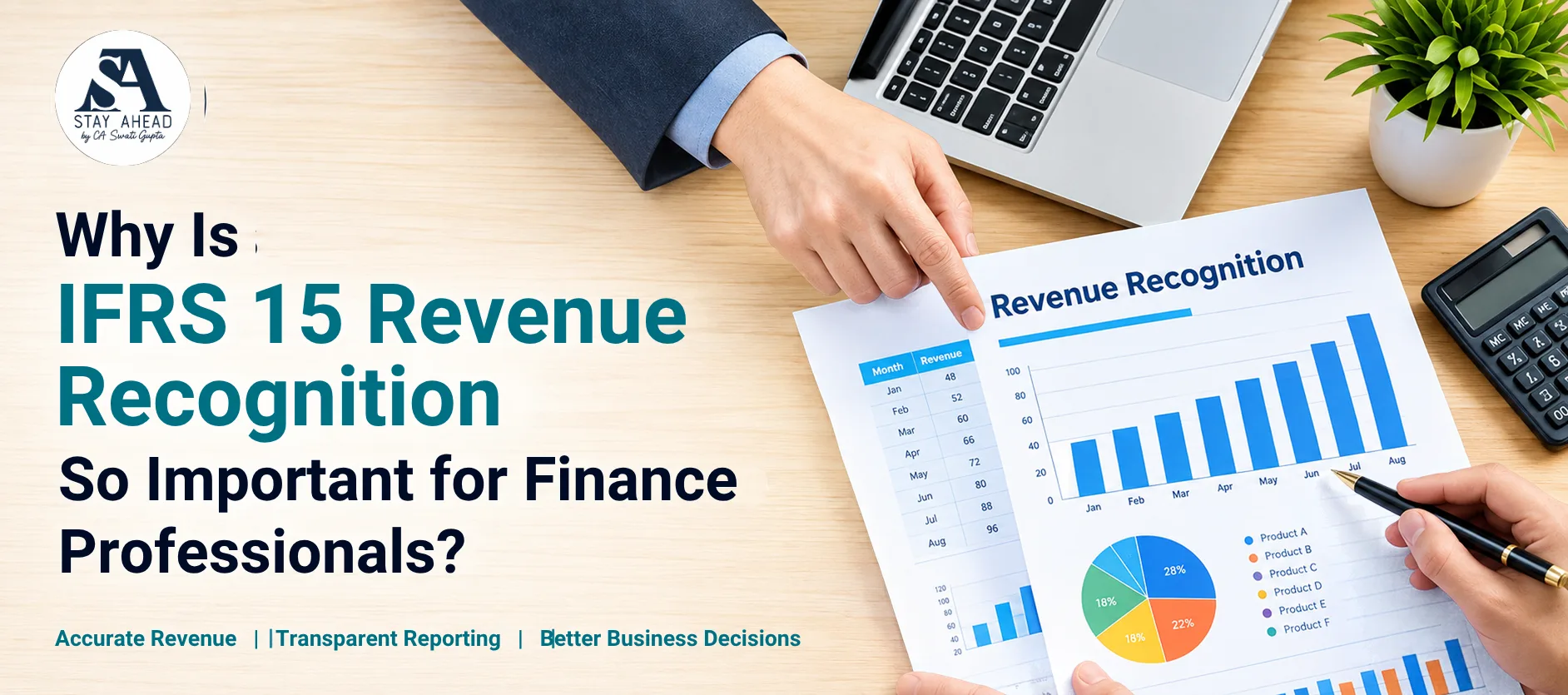

A shopkeeper knows exactly when a sale happens — the customer pays, the goods leave the shelf, done. A software company selling a three-year subscription bundled with onboarding support does not have that luxury. It has to work out, promise by promise, exactly when it has earned the right to call something revenue. That working-out process is revenue recognition accounting, and it is far less mechanical than most people assume.
For anyone preparing for CA Final, ACCA, or simply trying to close the books correctly at a growing company, this topic rewards patience more than memorisation. Get the timing wrong and profits get overstated one quarter and understated the next — a pattern auditors are trained to spot within minutes.
What Problem Does Revenue Recognition Accounting Actually Solve?
Before a single converged standard existed, companies in different sectors followed different logic for the same economic event. A builder recognised revenue as construction progressed. A retailer recognised it at the point of sale. A telecom operator bundling handsets with airtime plans had almost no specific guidance at all.
IFRS 15, and its Indian equivalent Ind AS 115, brought a single unifying test: revenue is recognised when control of a good or service passes to the customer, measured at the amount the entity expects to be entitled to receive. That one sentence replaced dozens of industry-specific rules.
Breaking Down the Five-Step Model With a Real Example
Consider Orbit Learning, an ed-tech company that sells a bundle: a one-year course licence, a printed study kit, and a mentorship call package, all for ₹60,000.
Identifying the contract and its obligations
There is one signed agreement, but three separate promises. The mentorship calls can be purchased separately by other customers, so they are distinct. That gives Orbit Learning three performance obligations to track individually, not one bundled figure.
Pricing each obligation and allocating the total
Suppose the standalone prices are ₹40,000 for the course licence, ₹8,000 for the kit, and ₹12,000 for mentorship. The ₹60,000 actually collected is allocated proportionally across these three, even though the invoice shows one combined amount.
Recognising revenue as control passes
The study kit’s revenue is booked on dispatch. The course licence spreads across twelve months. Mentorship revenue is recognised as each call is delivered. Three timelines, one contract — this is exactly why revenue recognition accounting cannot be reduced to “book it when you bill it.”
Which Mistakes Come Up Again and Again?
Having reviewed working papers across several training batches, a handful of errors repeat far more often than textbooks suggest.
Confusing cash received with revenue earned
A retainer collected upfront for a twelve-month advisory engagement is a liability on day one, not income. Only as the work is performed does it convert into revenue. Treating an advance as immediate revenue is the fastest way to misstate a quarter.
Underestimating variable consideration
Rebates tied to purchase volume, penalty clauses for late delivery, and return rights all shrink the transaction price below the invoice figure. The standard requires an estimate at contract inception, revisited each period, not a wait-and-adjust approach after the fact.
Getting principal-versus-agent backwards
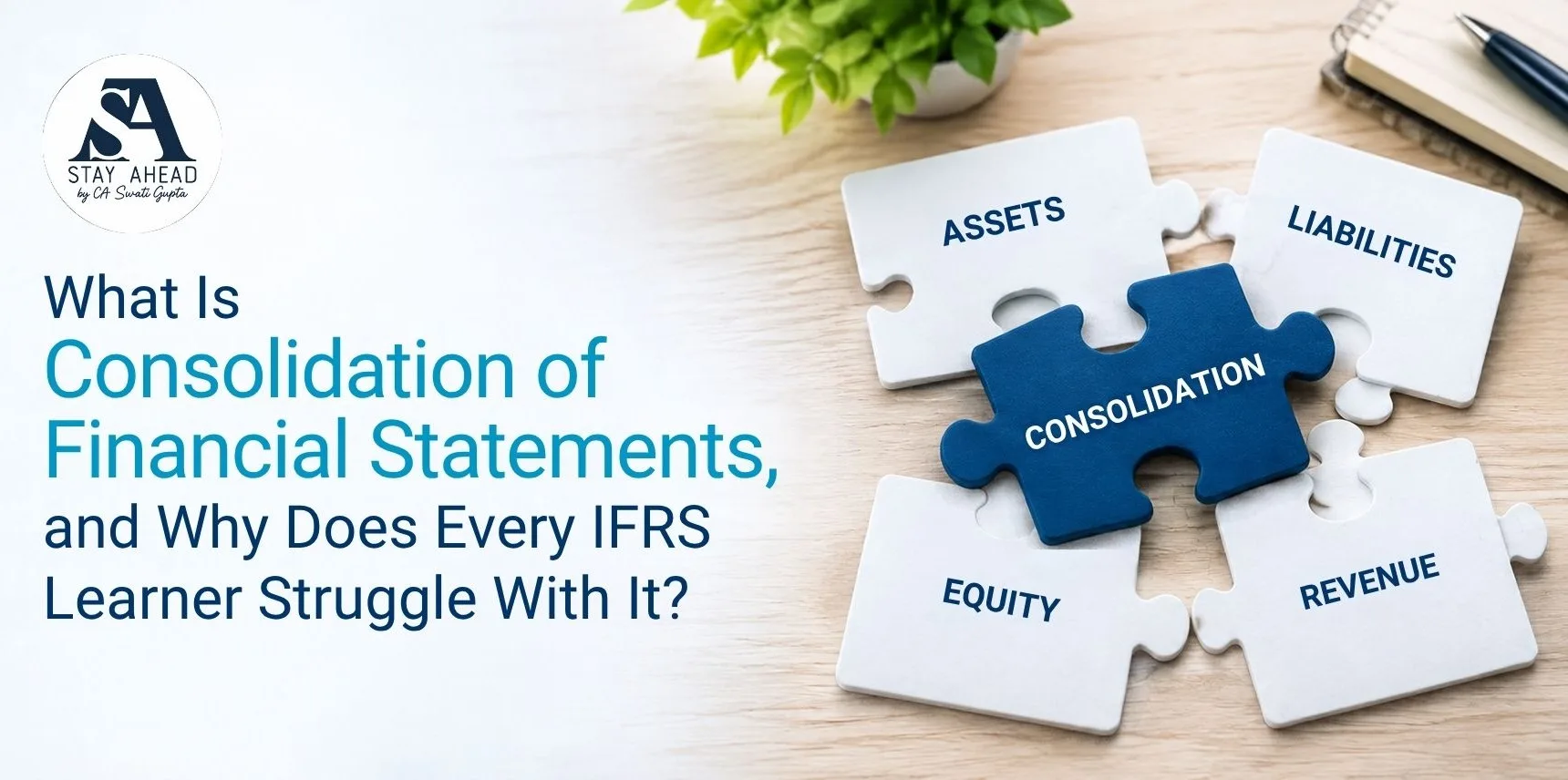
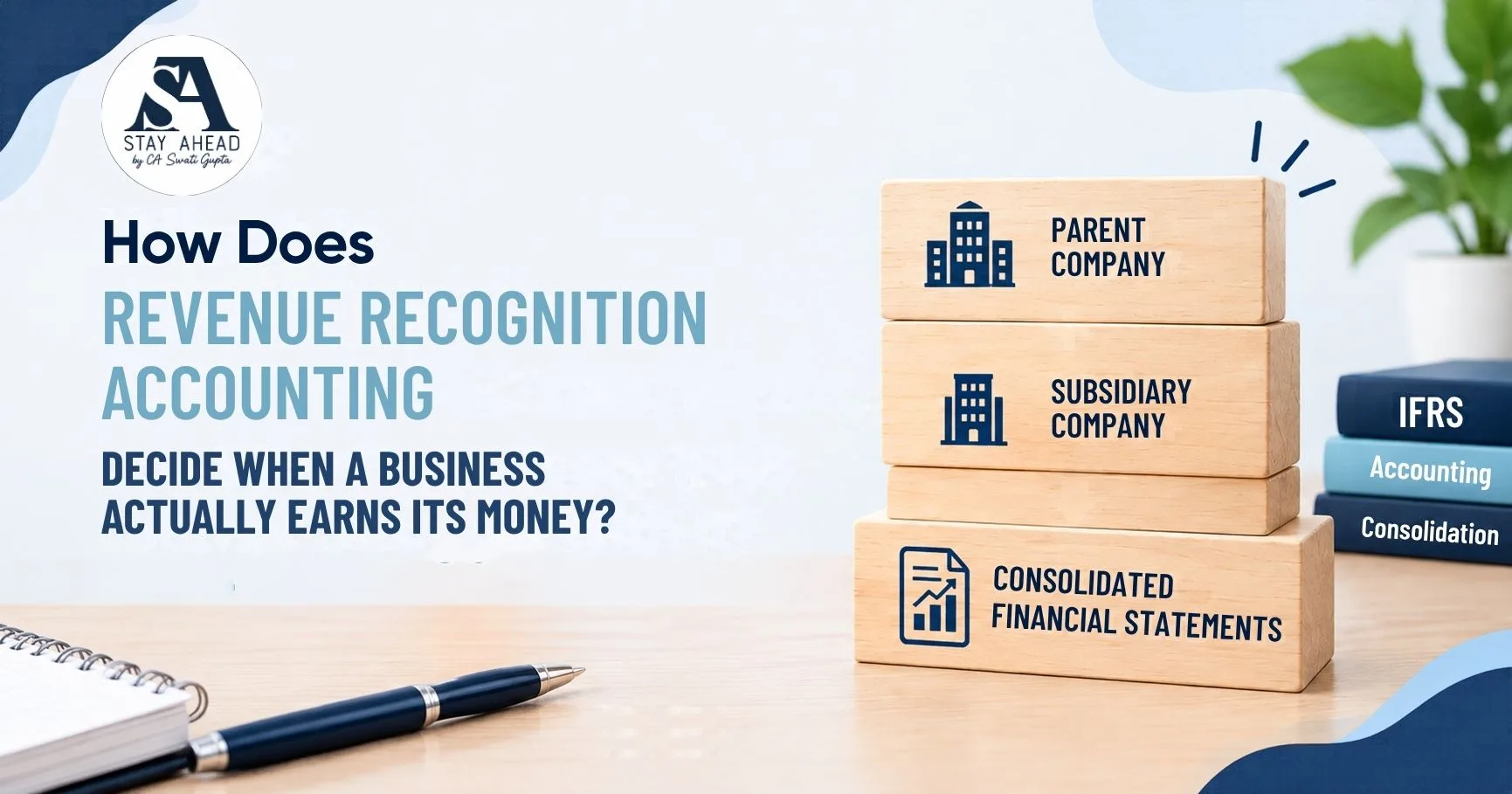
A marketplace that merely facilitates a sale — without ever controlling the inventory — should report only its commission as revenue, not the full transaction value. This distinction becomes even more critical once those numbers flow upward into the consolidation of financial statements, where overstated gross revenue at a subsidiary level can distort the group’s entire top line.
Mishandling contract changes mid-term
When a client adds scope partway through a project, the accounting treatment depends on whether the addition is distinct and priced at its standalone value. Some modifications create a new contract; others require a cumulative adjustment to revenue already recognised. Skipping this analysis is a common exam trap and a common practical one too.
What Should the Disclosures Actually Show?
The five steps get most of the attention, but disclosure quality is where reviewers often find the real story. Ind AS 115 expects disaggregated revenue by category, a reconciliation of contract asset and liability balances, and a clear description of significant judgements — particularly around variable consideration and timing.
A habit worth building: document the judgement behind a contract’s treatment while negotiating it, not months later when the specifics have faded from memory.
How Can You Build Genuine Command Over This Standard?
Reading the standard cover to cover helps, but application is what makes it stick. Professionals who handle revenue recognition accounting confidently tend to work through unusual contracts step by step rather than pattern-matching to the last deal they saw. They also study revenue alongside adjoining topics, since real transactions rarely respect the boundaries between standards.
This is where structured guidance saves considerable time. A well-paced IFRS online course covers sector-specific nuances that self-study often misses, and a financial reporting course online ties revenue treatment back into the broader reporting cycle so the concept never feels isolated.
Why Choose caswatigupta to Learn Revenue Recognition Accounting Properly?
Teaching rooted in practical exposure
CA Swati Gupta built her teaching approach after her own early struggle — clearing the CA exam yet still feeling unprepared to apply IFRS in real client conversations. That gap shaped a method that leads with examples before definitions.
A track record with real professionals
Over 1,000 professionals across India and abroad, along with corporate teams at firms such as Grant Thornton, have gone through this training, learning standards in a sequence that shows how they interlink rather than as isolated topics.
Continuous support, not a one-time lecture
Weekend live doubt-solving sessions and an active WhatsApp community mean a tricky revenue clause does not have to wait until the next class to get resolved.
Flexibility for working professionals
With recorded lectures available in Hindi and English, learners can revisit a difficult section as many times as needed, fitting study time around demanding work schedules.
Conclusion: Why Revenue Recognition Accounting Deserves Real Attention
Revenue recognition accounting is not a topic to skim past on the way to more “interesting” standards — it is the foundation that every other number on the income statement depends on. Once you internalise the five-step model and start questioning every contract for its distinct promises, the standard stops feeling abstract and starts feeling like common sense.
Whether you are preparing for a professional exam or applying this daily at work, structured, example-driven learning with caswatigupta turns a historically intimidating standard into one you can apply with genuine confidence.
Frequently Asked Questions
1. What exactly does revenue recognition accounting cover?
It covers the principles that determine the amount and timing of revenue a business reports, based on when control of goods or services transfers to the customer under IFRS 15 or Ind AS 115.
2. Do IFRS 15 and Ind AS 115 differ significantly?
No. Ind AS 115 is closely converged with IFRS 15, following the same five-step model, with only minor country-specific carve-outs.
3. What triggers revenue recognition over time rather than at a single point?
It applies when the customer receives and consumes benefits as the entity performs, when an asset is being created that the customer controls during construction, or when the asset has no alternative use and payment is enforceable for work done.
4. Why can’t an advance payment be recorded as revenue immediately?
Because no performance obligation has been satisfied yet. The advance sits as a contract liability and converts to revenue only as the related goods or services are delivered.
5. Which industries face the toughest revenue recognition accounting challenges?
Software, telecom, real estate, construction, and marketplace-based businesses, largely because of bundled offerings, variable pricing, and extended delivery timelines.